

Tether Systems for Monitoring Critical Areas During Floods
Flood conditions, inundations, and inaccessible locations create enormous challenges for emergency responders. Roads become impassable, critical infrastructure is threatened, and obtaining reliable situational awareness becomes increasingly difficult. In these scenarios, rapid access to real-time information is essential to protect people, coordinate emergency operations, and respond effectively to evolving hazards.
Maintaining oversight where access becomes impossible
During flood situations, many areas are difficult or impossible to reach safely. Emergency responders operate under restricted conditions while water levels, currents, and hazard zones can change within minutes. At the same time, maintaining a continuous overview of the entire operational area is critical for making fast and informed decisions.
Tethered drones are powered continuously through a cable connection, allowing them to remain airborne for hours or even days without interruption. The result: persistent aerial monitoring of flooded zones, damaged infrastructure, evacuation routes, and inaccessible areas — without battery downtime and without gaps in surveillance. Incident commanders receive a live operational picture at all times and can identify developing risks before situations escalate.
More than just aerial monitoring
In addition to situational awareness, tethered systems can also operate as mobile aerial light towers. Unlike conventional floodlight systems, they require minimal space, can be deployed rapidly, and provide reliable overhead illumination even in hard-to-access areas. This improves visibility for emergency teams working during nighttime operations, search and rescue missions, or in areas with damaged infrastructure and limited ground access.
The high mobility of tethered systems also allows rapid repositioning to changing hazard locations. Whether monitoring critical infrastructure, supporting rescue coordination, or securing evacuation zones, tethered platforms provide continuous operational support exactly where it is needed most.
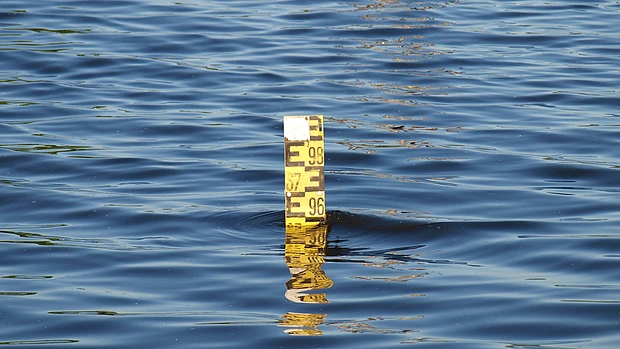
Monitoring flooded or inaccessible areas
Tethered systems provide continuous surveillance of locations that are unsafe or impossible for personnel to access directly. Flooded roads, bridges, dams, and residential areas can be monitored safely from the air while maintaining uninterrupted situational awareness. Real-time observation enables rapid reactions to changing conditions.
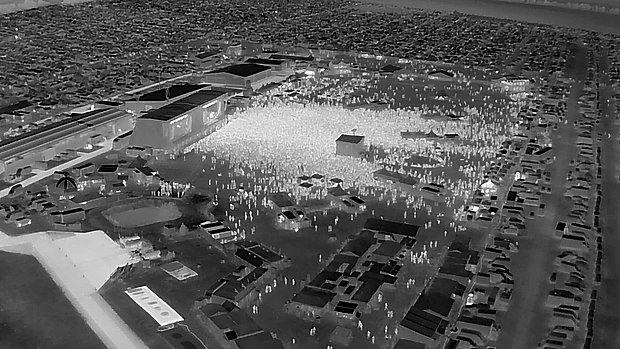
Assisting search and rescue operations during floods
During flood emergencies, every minute matters. Aerial monitoring supports rescue teams in locating missing or stranded persons while improving the coordination of rescue operations. Especially in large-scale or complex environments, tethered systems provide a critical operational advantage.
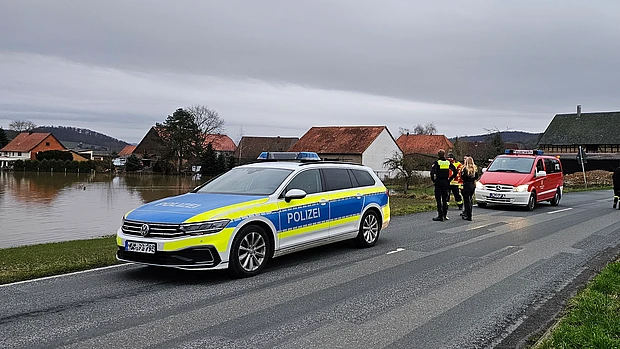
Aerial situational awareness for incident commanders
Emergency management teams require a complete and continuously updated operational picture. Persistent aerial visibility improves the assessment of hazards, access routes, and operational priorities. Resources can be deployed more efficiently and decisions can be made faster.
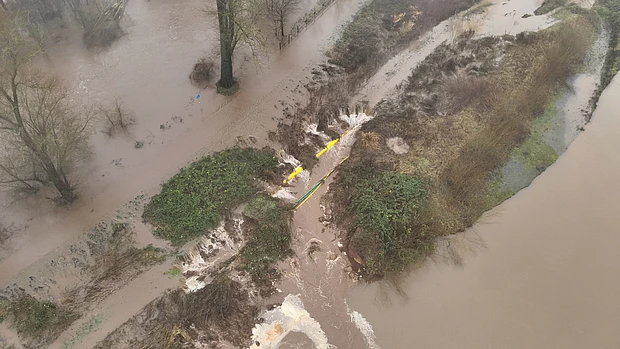
Rapid deployment to changing hazard locations
Flood situations evolve dynamically and often unpredictably. Tethered systems can be repositioned quickly to newly emerging hazard zones, enabling immediate monitoring of critical developments as they occur.
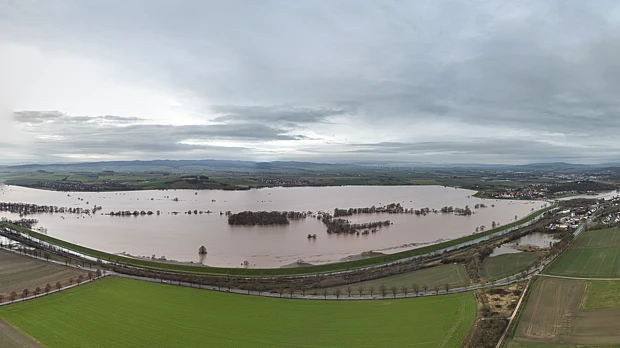
Continuous monitoring of critical infrastructure
Pumping stations, power infrastructure, bridges, and levees require constant supervision during flood events. Tethered systems enable uninterrupted monitoring of these sensitive assets and help detect structural damage or dangerous developments at an early stage.